

The primary goal is to develop basic music skills applied to stringed instruments. Lessons may be customized to include information specific to the student’s requests. Lessons may also focus on practical situations regarding the student’s individual interests in a variety of stringed instrument playing situations.
Students may select their own material, topics, and music to study to supplement The Academy syllabus. Students will learn music reading and theory, develop rhythmic abilities and advance in ear training.
They will begin by learning fundamental skills to play melodic pieces and songs, studies, and scales. More sophisticated topics such as advanced bowing techniques, the basics of ensemble playing, competition preparation and recital organization, will be included as part of advanced skill development. Essential theory studies will complement and enhance the student’s overall understanding of music.
It is very important to encourage all students to use exercises such as scales, arpeggios, and studies to develop solid technique.
Instructors will also identify and assign appropriate studies to overcome technical difficulties within a specific musical context.
More complex topics, such as ergonomics and practice methods, may also be covered if the necessary level of comprehension is evident in the student.
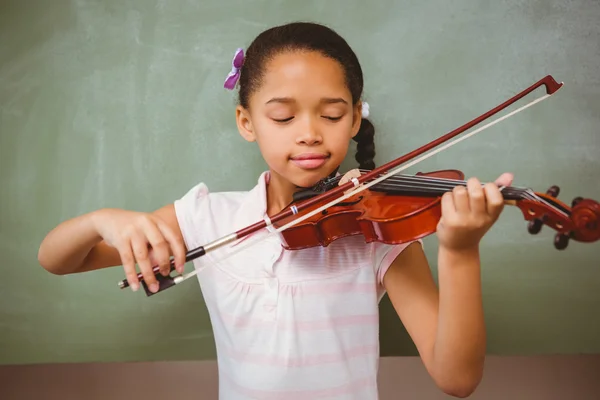
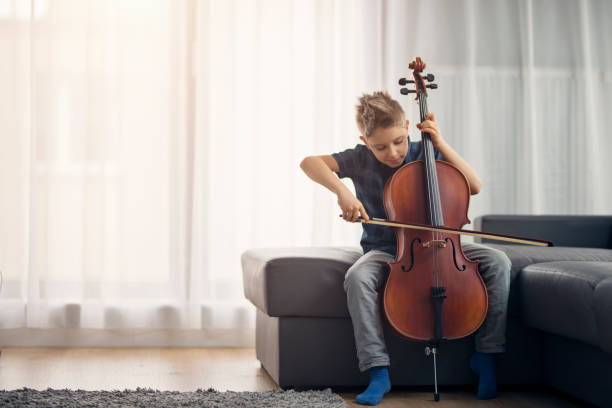
At the start, students should work on an average of two short songs per month. In the initial phase of learning, students will focus on learning overall posture, intonation, rhythmic values, basic fingering, and bowing techniques.
The intermediate phase will deal with advanced fingering and bowing techniques, note articulation, dynamics, character, and style of the composition.
The advanced phase will see all known techniques being tested through the preparation of major concert pieces.